
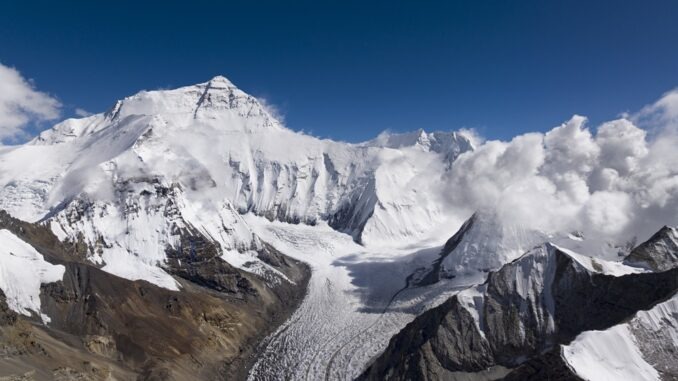
I saw Everest: The Other Side in a theater this week. I really wanted to see it in IMAX, which is clearly how it was meant to be seen, but the only IMAX showings near me were in the middle of the workday earlier in the week. A regular screen still did the job, though I kept wondering how much bigger some of those shots would have felt.
The film comes from Elizabeth Chai Vasarhelyi and Jimmy Chin, the Oscar-winning team behind Free Solo and Meru. I’ve talked with Chai a few times over the years about other Nat Geo projects. I didn’t get a chance to talk with her or Jimmy about this one, and I wish I had, because this time Jimmy stepped out from behind the camera. He joined the expedition as a climber, which made him one of the film’s subjects, and he took on one of the most dangerous routes on Earth twice.
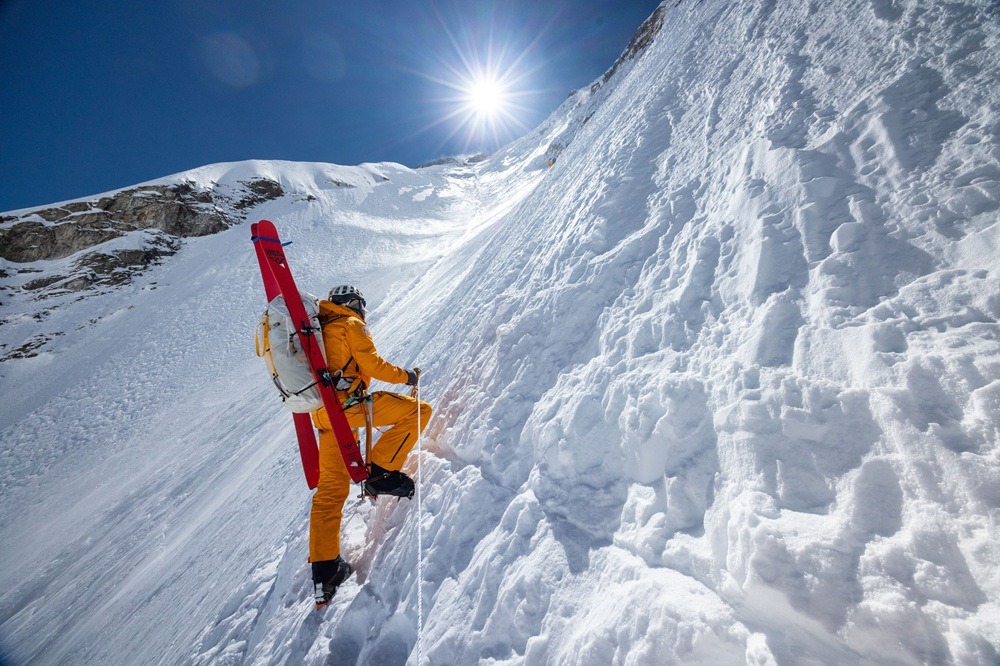
A Line Nobody Had Skied
The story starts with ski mountaineers Jim Morrison and Hilaree Nelson, a couple who wanted to climb the north face of Everest and then ski back down it through the Hornbein Couloir. Everest has been summited more than 13,000 times, but only five people had done it from the north face, which is steep and prone to avalanches.
Chin and Vasarhelyi were close friends with the couple and set out to document the attempt. Then, in 2022, Nelson was killed in an avalanche on Manaslu while she and Morrison were training. The cameras captured it, and it’s hard to watch, especially knowing that Morrison had already lost his first wife and two young children in a plane crash years earlier.
He decided to keep going anyway, and it took him three tries. The first one in 2023 never really got started, because permits came through so late that the team ran out of season.
The 2024 expedition got a lot further. Morrison skied down from about 22,966 feet and told National Geographic the skiing was actually quite good. Then a small avalanche hit Pur Bahadur “Yukta” Gurung, one of the Nepali climbers on the team, and broke his femur. That turned a ski expedition into a complicated rescue and evacuation to Kathmandu, and it ended the attempt.
At that point, plenty of people would have taken the hint. Morrison went back in the fall of 2025 for a third attempt, and the team spent nearly seven weeks on the mountain fighting bad weather and heavy snow. Gurung recovered, and he was back on the team. I won’t spoil how it plays out, but sitting through all that waiting and second-guessing with them makes for some of the most tense stretches of the film, and Morrison’s perseverance is hard to wrap your head around.
The Scene at the Kitchen Table
After the tragic death of Hilaree, Jimmy decides to partner with Morrison for the climb. Chai and Jimmy have a conversation at home about whether he should join the expedition, and it’s one of the most poignant scenes in the film. She starts listing the people who’ve sat at their table and have since died pushing the envelope in one way or another. The list goes on longer than you’d expect.
It’s an uncomfortable scene, and you can feel the tension between them. There’s also a moment where their daughter is upset that her dad will miss her birthday, without understanding that he might not come home at all.
The People Left Behind
When I gave my wife the Cliff’s Notes version of the movie, the first thing she said about Morrison was, “He must not have any family.” Tragically, that’s sort of true. He’d already lost his first family, and then he lost Hilaree, so there’s no spouse at home waiting by the phone this time.
Then again, Hilaree had two sons, and they lost their mom on a mountain. I’d argue Morrison has some obligation to be there for them, and I’m not sure going back to Everest after the 2024 attempt left a teammate with a broken femur is the best way to do that. The film shows a little of how the boys are handling it, but not much.
Explorers and adventurers are a unique breed. They know the odds, and they’ve buried friends, and they still go, because there’s always another goal they want to chase. I respect the drive, and I understand the idea of finishing something for someone you loved. But if something goes wrong, it’s the kids and spouses back home who have to deal with it.
What the Critics Are Arguing About
A few critics had the same complaint. The Boston Globe gave it a star and a half and argued it doesn’t dig into the tough questions. Little White Lies and RogerEbert.com raised similar concerns, mostly that the film doesn’t press hard enough on whether the risk is worth it or what it costs the people left behind. On the other side, Time Out gave it four out of five stars and The Hollywood Reporter called it a clear-eyed stare into the face of death. It sits at 65 on Metacritic.
I understand the critique, but I would argue that the film doesn’t need to settle the bigger question. The impact on friends and family left behind is real and worth exploring, but I feel like that is a separate film entirely and would actually take away from the epic story this movie tells. That kitchen table scene asks it out loud, and you get to watch Chin weigh it and decide to go anyway.
See It as Big as You Can
The cinematography is amazing. Clair Popkin, Chin, and Christopher Murphy shot it, and the drone footage combined with helmet cam views from the climb and the ski descent puts you on that face in a way I haven’t seen before. Vasarhelyi told ABC that IMAX lets you see a place on Earth almost nobody has really seen.
Overall, I loved it. Everest: The Other Side is an epic quest, and it’s one of the best-looking mountain films I’ve seen. It runs 115 minutes and is rated PG-13. If you can find an IMAX showing that fits your schedule better than mine did, go. If not, a regular theater is still well worth the trip.

Leave a Reply